We left the studio on a Friday with dust on our shoes and three unread briefs in the bag, and drove south until the road narrowed into stone. The canyon does not care about your deadlines. It has been carving the same curve for a few million years, and it will happily let you watch for an hour before you understand a single bend of it.
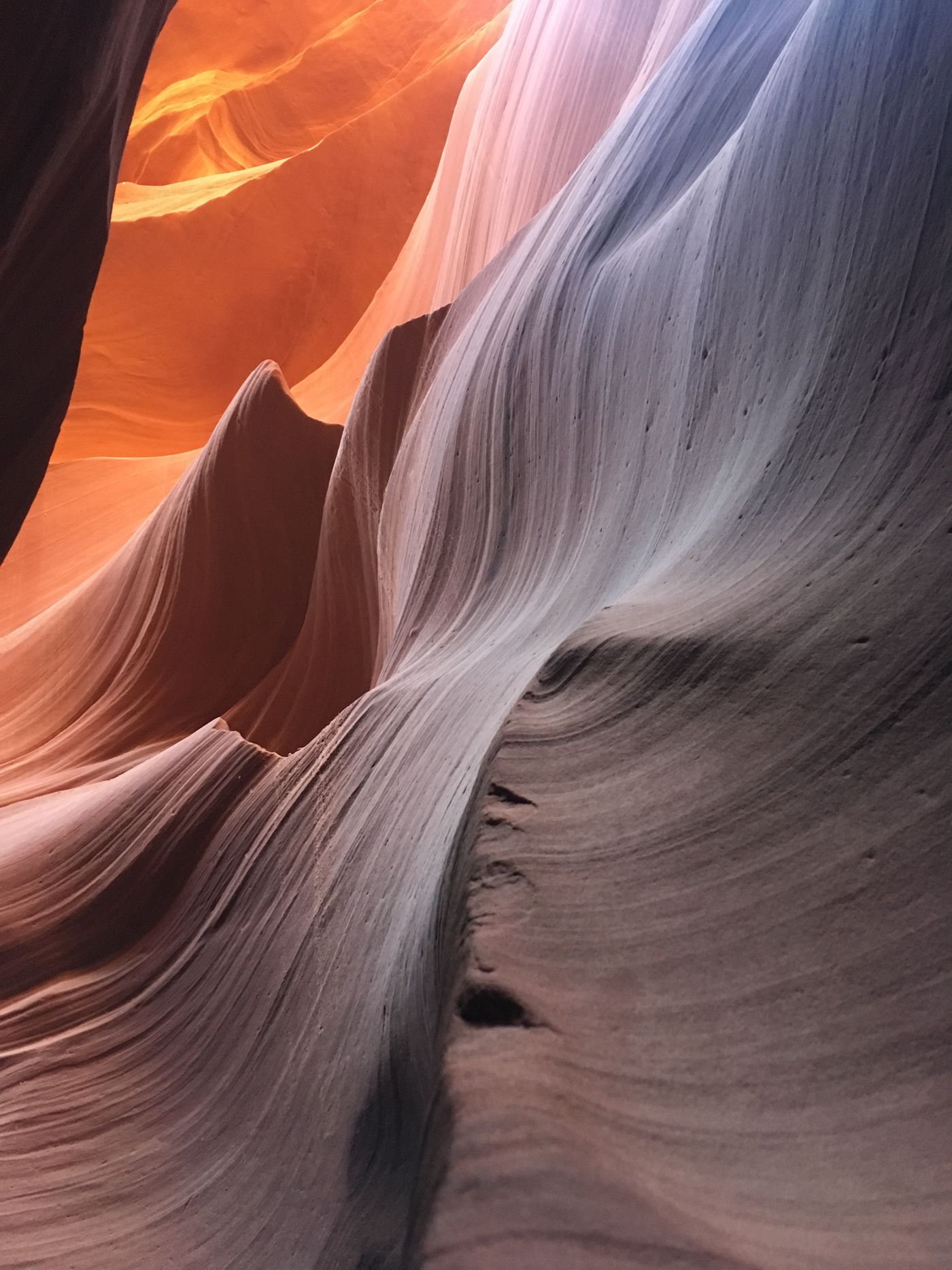
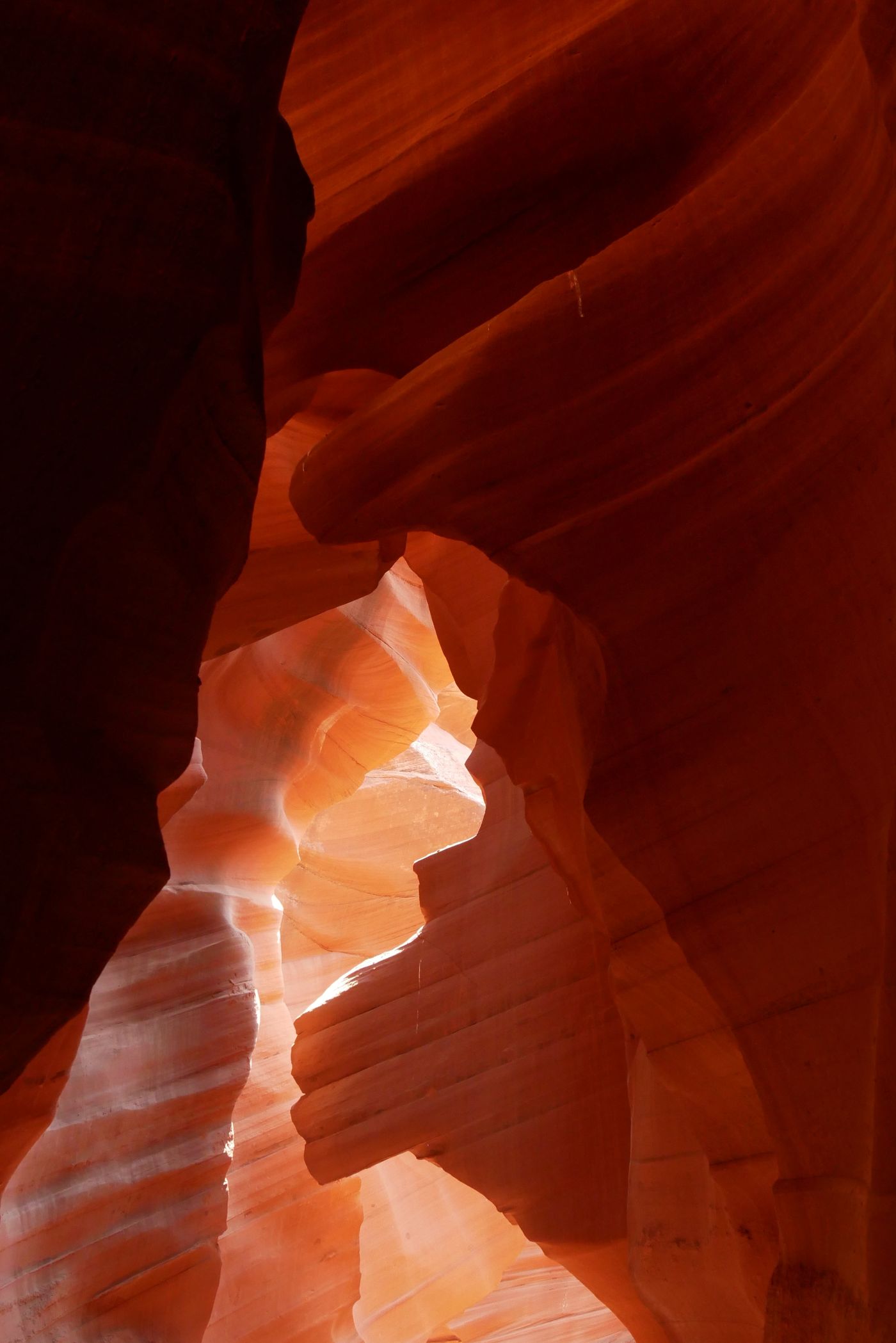
The painted caves — narrow slots where mineral water has striped the walls in ochre, rust, and cream — are best walked at dawn. Light enters in blades, not floods, and every turn changes the palette. Our guide, a retired geology teacher named Sam, pointed at a swirl the colour of apricot skin and said, "That one took four hundred thousand years. Your logo took four weeks. Both are fine."
What the desert edits out
By day three, something loosens. You stop photographing everything and start standing still instead. The desert is a ruthless editor: no signal, no shelves, no backlog. There is only the next water stop, the next shadow, the next decision about which fork to take. It is the simplest prioritisation framework ever designed, and it runs entirely on thirst.
We kept a shared notebook, one page per day, passed hand to hand. The entries got shorter as the week went on — from paragraphs to sentences to, on Thursday, a single line: "The light at 6:40 is the whole point." Back at the studio, that page is now pinned above the critique table.
Bringing it home
Since the trip, our Mondays start differently. Phones stay in a drawer until ten. The week's work is written on one index card, not scattered across four tools. And every project gets a "canyon question" in its brief: what would this look like if we removed everything except the load-bearing parts?
If you go, go lightly. Carry more water than you think, walk slower than you want, and leave the striped walls exactly as the last four hundred millennia left them. The caves will still be painting themselves long after our studios are dust — the least we can do is pay attention while we visit.