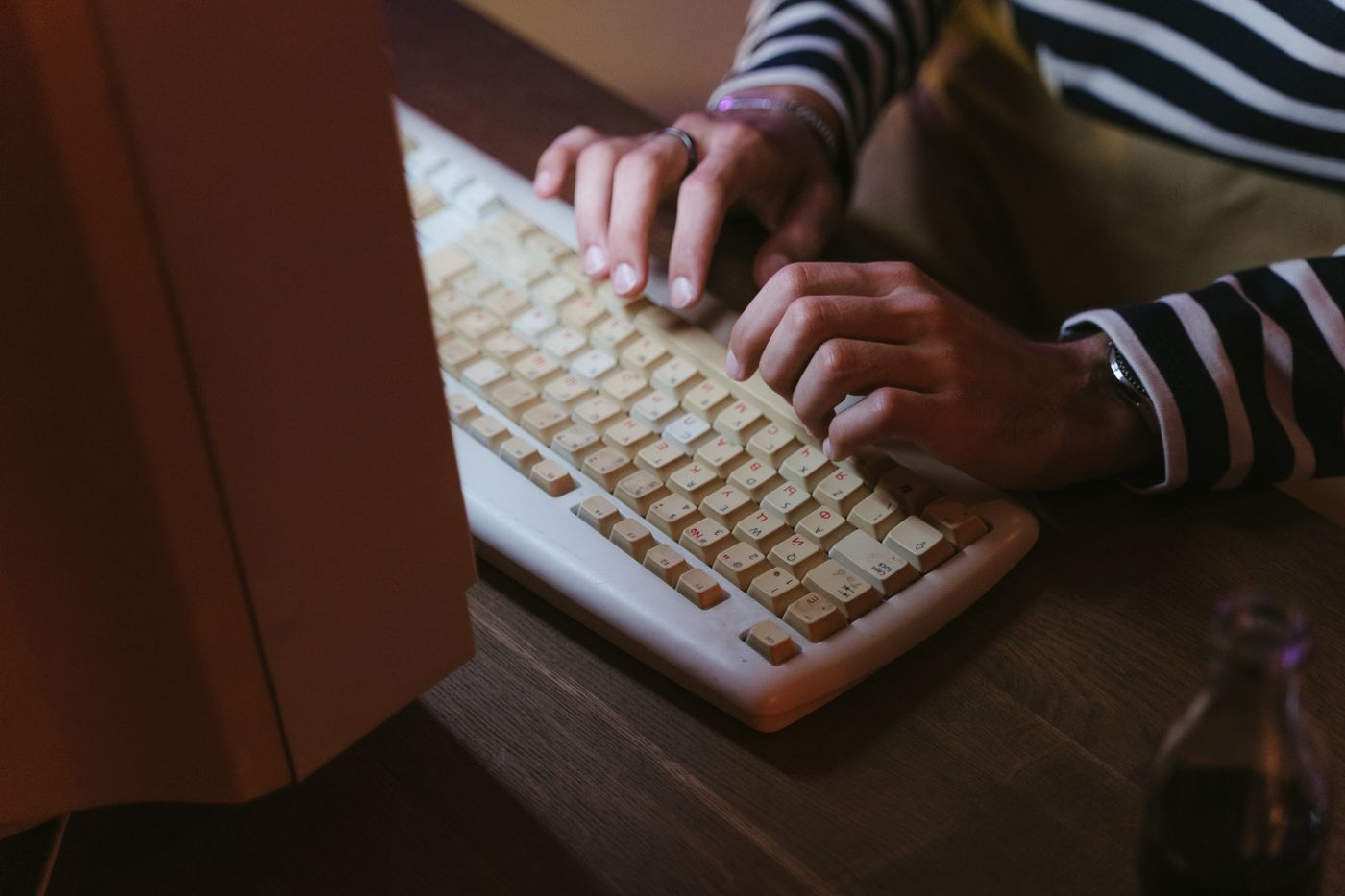
There is a particular kind of tired that no amount of sleep fixes — the flat, grey fatigue of someone who has eaten lunch at their keyboard for eleven straight days. I know it well, because I spent most of last spring inside it. The cure, when it finally arrived, was embarrassingly simple: a proper breakfast and a walk long enough to be slightly inconvenient.
This is not a wellness lecture. It is a design observation. The quality of my attention tracks the quality of my mornings with humiliating precision. Oats, eggs, daylight before screens — on those days the layouts compose themselves. Skipped meals and a phone in bed — on those days even the kerning looks wrong.
The studio kitchen experiment
We tested it properly. For one month, the whole team ate lunch away from desks — real plates, a real table, no laptops. We also moved our Monday critique to the park, weather permitting. The results were not subtle: afternoon revisions dropped by a third, and the "I hate everything about this" hour that used to strike at four simply stopped arriving.
Food is information. A body running on pastries and adrenaline makes pastry-grade decisions — fast, flaky, gone by noon. Fed steadily, the same brain will happily wrestle a complex grid for hours. We now treat the team lunch the way we treat our type scale: as infrastructure, not decoration.

Roaming as research
The walking part matters as much as the eating part. Every difficult brief I have ever cracked was cracked outdoors, usually around minute forty of a walk I did not want to take. Motion unsticks thought. The bilateral rhythm of walking seems to file things away while you are busy looking at trees.
Start small: one real meal a day eaten seated, one walk a week with no podcast. Notice which afternoons feel different. Then, like any good designer, iterate — keep the rituals that move the needle and let the rest go. Your mood is the medium everything else is printed on.